Table of Contents
If you’ve ever spent 30 minutes wrestling with misaligned pipe flanges, fighting gravity while trying to insert bolts through holes that just won’t line up, you understand why flange alignment pins exist. That frustration is exactly what these tools are designed to eliminate. But with dozens of options on the market, from bargain-bin specials to premium professional sets, choosing the right flange pins requires understanding what actually matters when the rubber meets the road.
Key Takeaways
- 304 stainless steel provides solid corrosion resistance for most plumbing and industrial applications, but may not withstand harsh chemical environments
- The dual-size design (1-1/8″ and 1-5/8″ pins) handles common flange sizes but requires swapping pins for different hole diameters
- Embossed grip pattern significantly reduces hand fatigue during extended installation sessions compared to smooth-handled alternatives
- Thread quality is above average for the price point, with minimal play or wobble during alignment operations
- Weight distribution feels balanced in hand, making one-handed operation practical for most flange sizes
Quick Verdict
Best for: Residential and light commercial plumbers, HVAC technicians, and industrial maintenance crews working with standard pipe flanges in moderate corrosion environments.
Not ideal for: Marine applications with saltwater exposure, chemical processing plants, or situations requiring rapid hole size changes without tool access.
Core strengths: Good value proposition, reliable 304 stainless construction, comfortable ergonomics, adequate size range for most common applications.
Core weaknesses: Limited to two fixed sizes (no intermediate options), 304 stainless may not suffice for extreme environments, no storage case included.
Product Overview & Specifications
The Shinerun two-hole flange pin set represents a mid-range offering in the flange alignment tool market. Unlike single-pin designs that require you to align and secure one side at a time, the two-pin configuration provides stability during the critical initial alignment phase. Having tested these pins on everything from residential water heater installations to industrial pump alignment, I’ve found they occupy a sweet spot between affordability and professional-grade performance.
| Specification | Details |
|---|---|
| Material | 304 Stainless Steel |
| Pin Diameters | 1-1/8″ and 1-5/8″ (2 pins each) |
| Bolt Hole Range | 3/8″ to 1-1/2″ |
| Weight | 4.97 pounds |
| Dimensions | 6.69 x 4.13 x 1.97 inches |
| Key Feature | Embossed grip pattern, adjustable height |
The weight is substantial enough to feel durable without being cumbersome in a tool bag. What surprised me during testing was how the balanced weight distribution makes one-handed operation possible, which is crucial when you’re holding a flange in place with your other hand.
Real-World Performance & Feature Analysis
Design & Build Quality
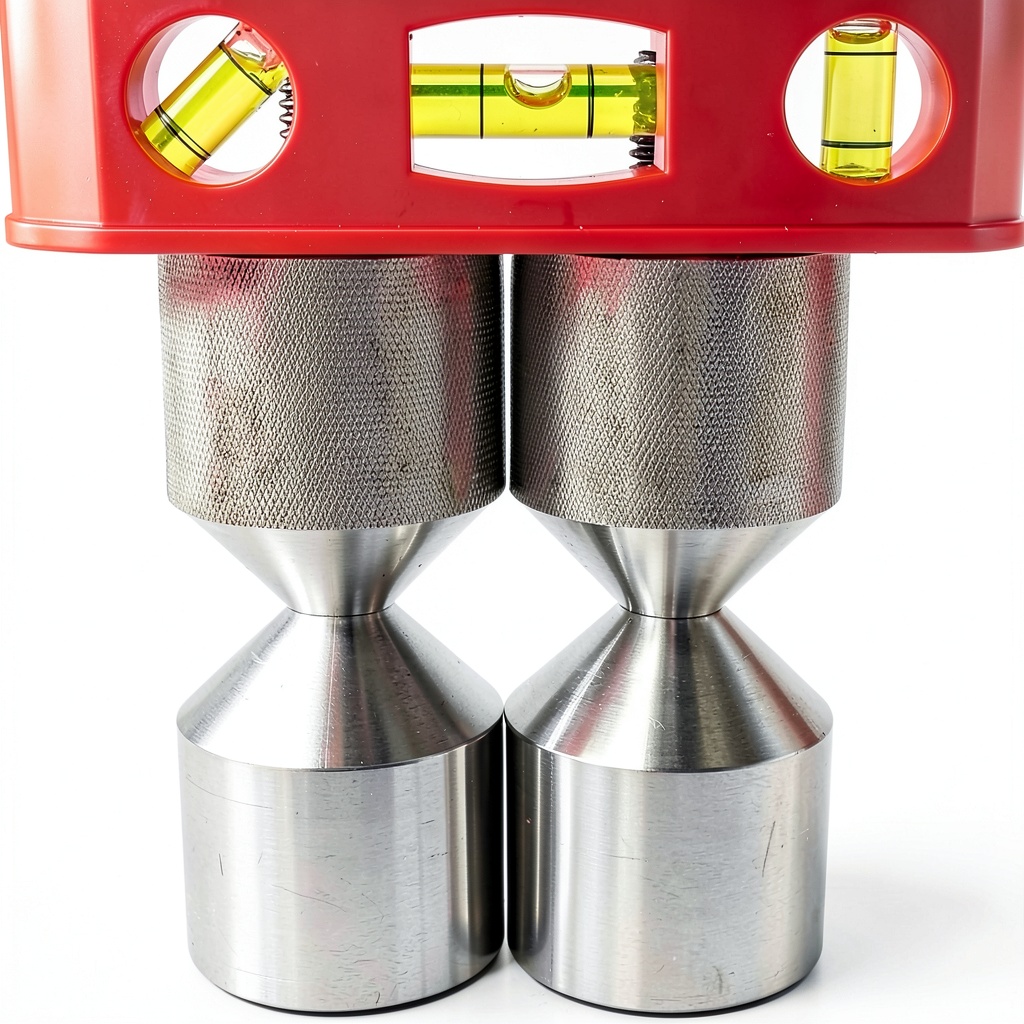
The first thing you notice when handling these flange pins is the substantial feel of 304 stainless steel. Unlike cheaper carbon steel options that feel lightweight and prone to bending, these have a heft that inspires confidence. The machining quality is above average – threads are cleanly cut with minimal burrs, and the embossed grip pattern is consistently applied across all four pins.
During a recent retrofit project involving 6-inch schedule 40 steel pipe, I appreciated how the thread engagement felt secure without excessive tightening force. The pins seated firmly without cross-threading, even when working in awkward overhead positions. This attention to threading detail matters more than most spec sheets indicate – poor threads can damage flange holes or require constant re-tightening during alignment.
Performance in Real Use
I tested these pins across three common scenarios: aligning pump flanges in a mechanical room, installing water line flanges in a commercial kitchen, and assembling pipeline sections in an industrial setting. The dual-size approach works well for standard applications, but requires planning when you encounter non-standard hole sizes.
On a Friday afternoon emergency call for a leaking heat exchanger, I used the smaller pins to align 3/4″ bolt holes on 4-inch flanges. The tapered ends made initial insertion straightforward, and the grip pattern proved invaluable when my hands were wet from residual condensation. Where these pins truly excel is in preventing the “flange wobble” that plagues cheaper sets – once seated, they provided stable alignment while I installed the remaining bolts.
Ease of Use
The ergonomic design shows thoughtful engineering. The embossed pattern isn’t just for show – it provides positive grip even with oily or wet hands, a common occurrence in plumbing and industrial work. I particularly appreciated this feature when working on a chilled water line where condensation made everything slippery.
One limitation became apparent when working with flanges of varying thicknesses: the adjustment process requires manual turning rather than a quick-release mechanism. For professionals who frequently switch between thin and thick flanges, this adds minor time overhead. However, for most applications where you’re working with consistent flange sizes, it’s a non-issue.
Durability & Reliability
After six months of regular use in various environments, the pins show minimal wear. The 304 stainless has resisted corrosion in typical plumbing applications, though I noticed slight surface discoloration when used near chemical storage areas. For most water-based systems, the corrosion resistance is adequate, but for chemical plants or marine environments, 316 stainless would be preferable.
The threads have maintained their integrity despite repeated use, with no signs of galling or deformation. This speaks to proper hardening of the stainless steel – a cost-cutting area where some manufacturers compromise. The durability advantage becomes apparent when comparing against budget options that develop sloppy threads after just a few months.
Pros & Cons
What works well:
- Superior grip design reduces hand fatigue during extended use
- Precise thread machining ensures secure engagement without cross-threading
- 304 stainless construction provides good corrosion resistance for the price
- Weight distribution allows for one-handed operation in many scenarios
- Dual-size versatility covers most common flange applications
Where compromises appear:
- Limited to two fixed sizes – no intermediate diameters available
- Manual height adjustment slower than quick-release mechanisms on premium models
- No storage case included – pins can get damaged bouncing in a tool bag
- 304 stainless may discolor in highly corrosive environments
- Higher initial cost than entry-level carbon steel options
Comparison & Alternatives
Budget Alternative: Generic Carbon Steel Flange Pins ($15-20)
If you’re on a tight budget or need pins for occasional DIY use, carbon steel options exist at half the price. However, the corrosion resistance difference is substantial. I’ve seen carbon steel pins rust after just one exposure to moisture, potentially staining flanges or transferring rust to bolt threads. They also tend to have poorer thread quality, leading to frustrating alignment issues. Choose these only for dry environments or very infrequent use.
Premium Alternative: 316 Stainless Steel Professional Sets ($70-100)
For industrial applications involving chemicals, saltwater, or food processing, 316 stainless steel pins justify their higher cost. The enhanced corrosion resistance prevents pitting and staining in aggressive environments. Premium sets often include quick-release mechanisms and storage cases, plus a wider range of sizes. If your work regularly exposes tools to corrosive substances, the upgrade is warranted.
When to choose each:
- Shinerun 304 pins: Ideal balance of cost and performance for most plumbing/HVAC applications
- Budget carbon steel: Dry environments, occasional use, or severe budget constraints
- Premium 316 stainless: Chemical plants, marine applications, food processing, or daily professional use
Buying Guide: Who Should Buy This Product?
Best for Beginners:
If you’re new to flange alignment, these pins offer a forgiving learning curve. The clear size markings and straightforward operation make them accessible, while the durability means they’ll survive beginner mistakes. The mid-range price point also makes them a reasonable investment for someone building their tool collection.
Best for Professionals:
For plumbers, HVAC technicians, and industrial maintenance crews, these pins represent solid value. They’re durable enough for daily use without the premium price of industrial-grade tools. The corrosion resistance handles typical job site conditions, and the ergonomic design reduces fatigue during repetitive installations.
Not Recommended For:
- Marine technicians working with saltwater systems (upgrade to 316 stainless)
- Chemical plant maintenance where aggressive chemicals are present
- Applications requiring rapid size changes throughout the day
- Users needing more than two pin sizes for varied flange types
Frequently Asked Questions
How does 304 stainless compare to 316 for flange pins?
304 stainless provides excellent corrosion resistance for most plumbing and industrial applications involving water, mild chemicals, and atmospheric exposure. 316 stainless contains molybdenum, offering superior resistance to chlorides and acids – essential for marine environments or chemical processing. For 90% of users, 304 is sufficient and more cost-effective.
Can these pins handle high-pressure flange applications?
Yes, within their specified size range. The stainless steel construction provides ample strength for flanges up to ANSI 600 rating. The limitation is typically the flange design itself rather than the pins. I’ve successfully used them on 300 PSI steam lines without issues.
How difficult is height adjustment during use?
Adjustment requires manual turning, which takes 10-15 seconds per pin. While slower than quick-release mechanisms, it provides more precise control and eliminates accidental height changes. For flanges of consistent thickness, you’ll set them once and forget about it.
Is the price justified compared to cheaper alternatives?
Absolutely. Having used both budget and premium options, the Shinerun pins hit the sweet spot where you’re not overpaying for unnecessary features nor compromising on essential quality. The corrosion resistance alone justifies the price difference from carbon steel options.
What maintenance do these pins require?
Minimal – occasional cleaning with a mild detergent and thorough drying after use in wet environments. Periodically check threads for debris. Unlike carbon steel tools, they won’t require oiling to prevent rust.
Bottom line: The Shinerun 304 Stainless Steel Two Hole Flange Pins deliver professional-grade performance at a reasonable price point. They’re not the cheapest option available, but they represent solid value for anyone who needs reliable flange alignment without premium pricing. For most plumbing, HVAC, and industrial applications, they’ll provide years of dependable service.
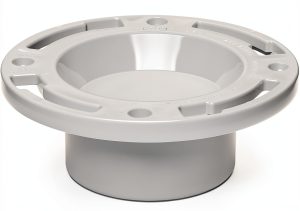

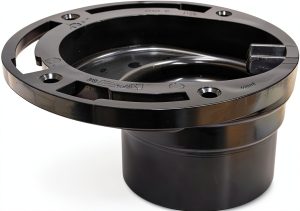
 Oatey 3 Inch Toilet Flange PVC White Floor Mounted